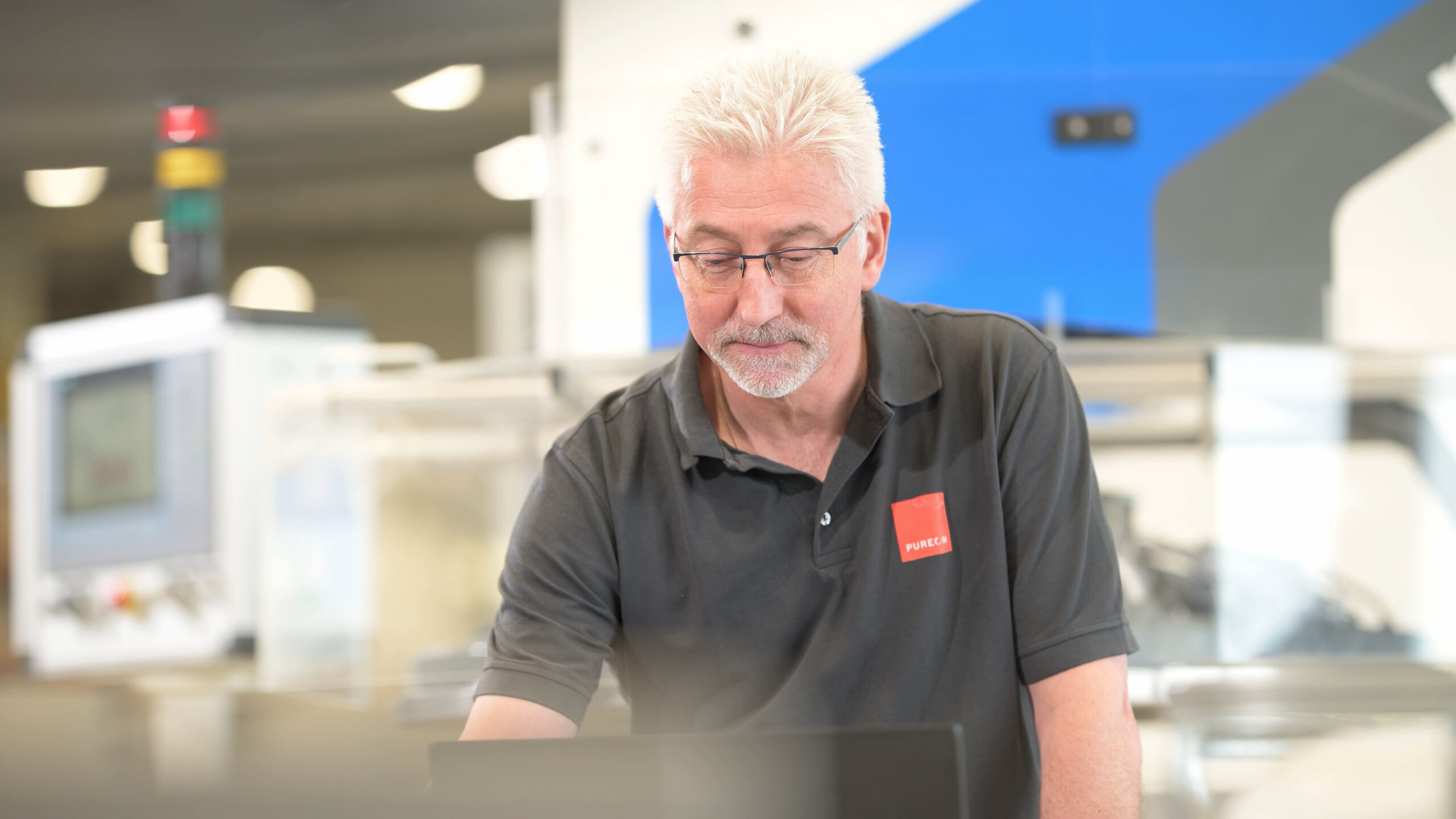
Technological breakthroughs rarely happen overnight. Especially in the semiconductor industry, they are the result of years of development work, countless iterations, and a consistent focus on detail. A concrete result makes this progress tangible: It was possible to produce a total thickness variation (TTV) of 0.0 microns when polishing 200 mm SiC wafers — “TTV Zero.” This is remarkable for the industry, as the TTV is a key parameter for wafer quality and process stability, where even the smallest deviations are critical. Achieving such a value highlights the importance of precisely aligning machine, process, and consumables. Helge Willers, Sales Director at Pureon and with over 30 years of industry experience, shares insights into how continuous development work around the IRINO PROSIC polishing pad has opened up new approaches to TTV control – and the role polishing pads and diamond suspensions can play.
Helge, what were the key factors behind this achievement?
This result is the outcome of many years of intensive development work. We experienced numerous setbacks, but also gained valuable insights along the way. In the end, it all came down to attention to detail — that’s what makes the difference. Equally important was the collaboration with the highly experienced development team at machine manufacturer Lapmaster Wolters.
Was “TTV Zero” the goal from the beginning?
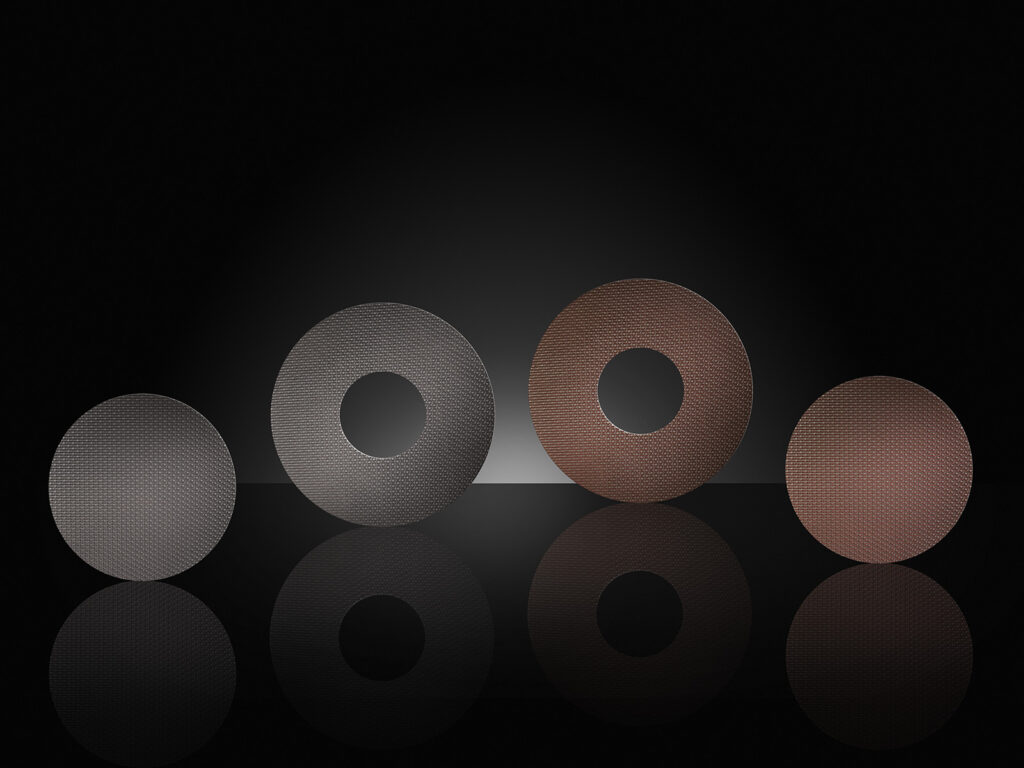
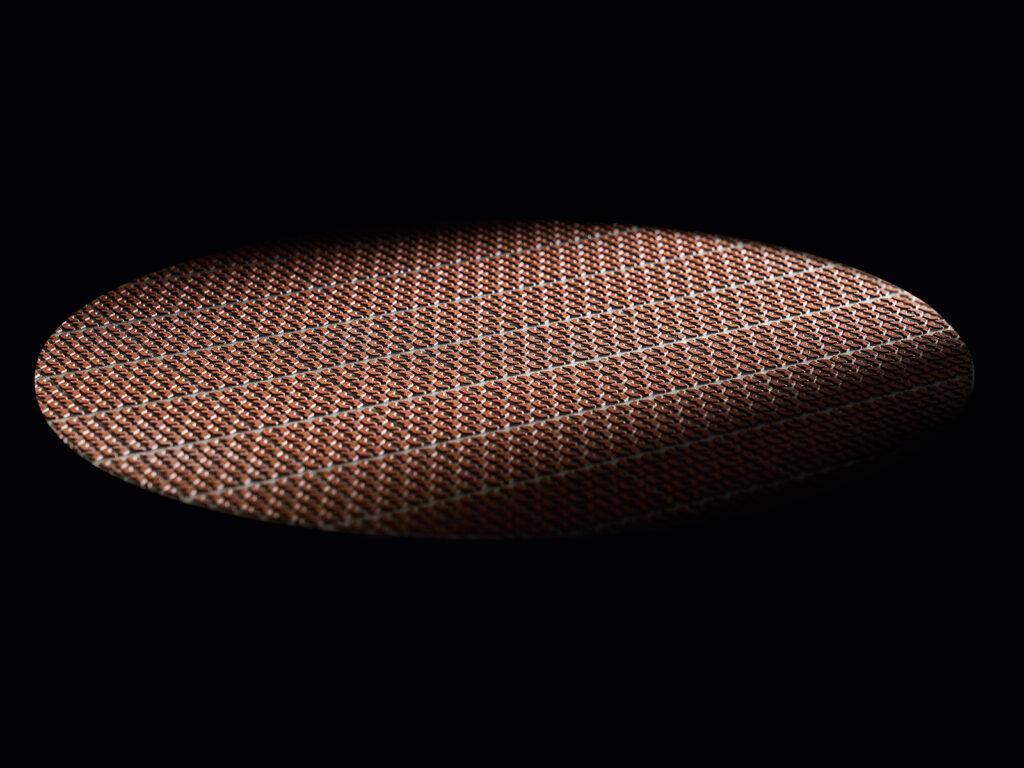
Not at all. IRINO was originally developed for a completely different application. Only after the discussion around TTV evolved over the past year did our focus shift during the trials. In that process, it became clear how versatile the pad actually is. IRINO PROSIC enables very high removal rates when required — that’s what it was designed for. At the same time, we discovered that it can also produce extremely precise wafer geometries. This result made us realize the additional potential it holds.
What ultimately made the difference?
The result is based on a combination of factors we have been working on for years. Ultimately, the following elements were decisive:
Was there a moment when you realized: this really works?
There were many ups and downs. But one defining moment was when we measured another batch of wafers. My partner from Lapmaster asked me to take a look. In front of us was the first wafer with a measured TTV of 0.0 — our “TTV Zero.” That was a very special moment.
What are the next steps?
The focus is now on further stabilizing the process. A key question is whether the technology can be transferred to long-term processes — especially those requiring significantly higher material removal. It will also be interesting to see how the process performs on machines that do not offer the specific features of an AC 1500 with UPAC system.
How will you bring this process into practical use for your customers?
In the next phase, we will work with initial customers to repeat the process on their own machines. It’s not enough to develop a high-performing process — we also need to support customers in transferring it into series production. There is still a lot of work ahead. One key takeaway from this project is how critical the details are. Even seemingly minor factors can have a significant impact — and that’s what makes it so interesting.
What are your key takeaways from the project?
Two insights stand out for me. First, a tool alone is not enough — the key is understanding the entire process. Only those who know which parameters to adjust will achieve optimal results. Second, I have always been convinced that diamond suspensions will play a major role in high-end SiC wafer processing. Despite the advantages of grinding wheels, this project has clearly confirmed that approach. And most importantly: with this technology, we have entered a level of precision that until recently was considered unattainable highlighting Pureon’s leadership in the development of Ultra-Low TTV SiC wafering processes.